
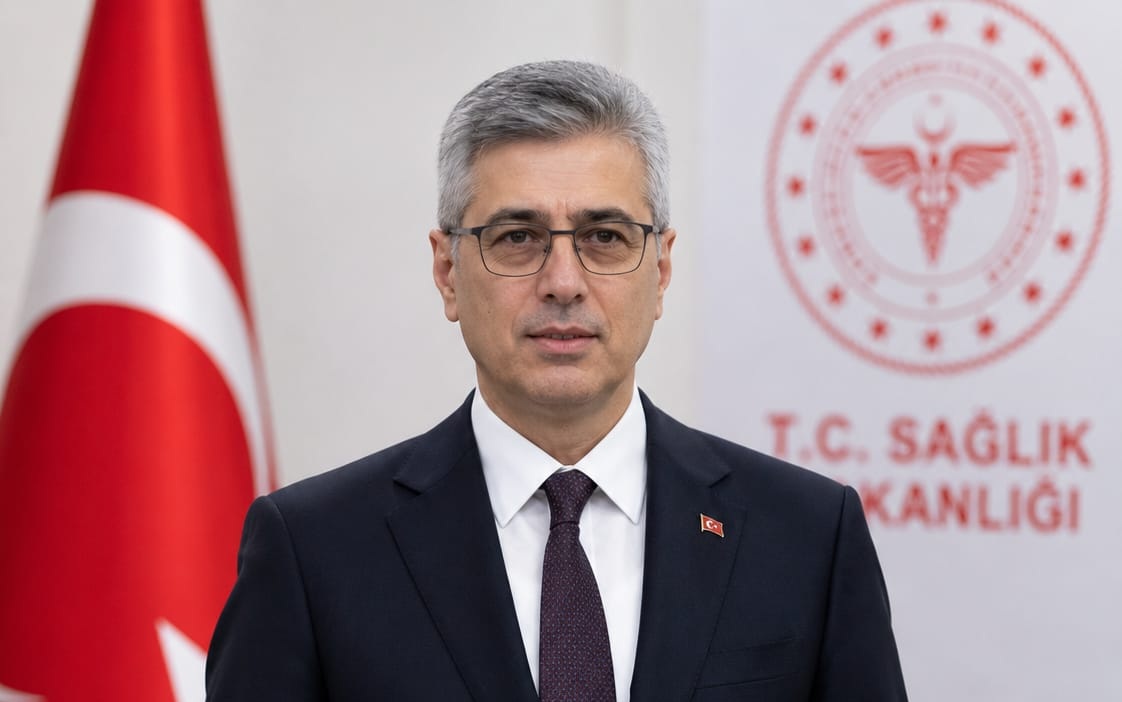
Türkiye is set on sharing its disaster health management know-how with the global community, underlining the need for international cooperation to safeguard lives during significant emergencies. This commitment was reiterated by Health Minister Kemal Memişoğlu at the World Health Organization Ministerial Conference held in Istanbul, which focused on “Protecting Health in Earthquakes – Strengthening Health Security Through Earthquake Emergency Management.” Memişoğlu emphasized that earthquakes pose a universal challenge that mandates scientific collaboration and global solidarity.
The conference in Istanbul gathered representatives from approximately 40 countries, aiming to enhance disaster preparedness and fortify healthcare systems against earthquakes and other emergencies. Memişoğlu highlighted Türkiye’s extensive experience in disaster response, particularly in the aftermath of the devastating earthquakes in February 2023. During this disaster, Türkiye deployed over 138,000 healthcare personnel, emergency responders, and support staff. The country also conducted one of its largest medical evacuation operations, moving more than 51,000 patients to hospitals outside the disaster zone and swiftly setting up field hospitals and emergency medical facilities.
In his address, Memişoğlu outlined the significant investments Türkiye has made to strengthen its healthcare infrastructure. These include developing resilient hospitals, enhancing emergency medical services, and advancing digital health systems. The minister also highlighted the nation’s improvements in air ambulance operations and the role of the National Medical Rescue Teams (UMKE). Furthermore, he introduced the GÖKBEY ambulance helicopter, a domestically developed aircraft designed to provide intensive care during disasters in challenging terrains.
Looking towards the future, Türkiye is bolstering its preparations for potential disasters, including a possible major earthquake in the Marmara region. The country has unveiled a comprehensive earthquake preparedness model and introduced what it claims to be the world’s first Public Health Services in Earthquakes Guide, featuring detailed response plans for Istanbul and other vulnerable areas. This proactive approach underscores Türkiye’s determination to be ready for any eventuality.
Memişoğlu reaffirmed Türkiye’s readiness to assist disaster-stricken nations by offering its expertise, trained personnel, and emergency response capabilities. He stressed that no country can tackle large-scale disasters alone, highlighting the importance of international collaboration in disaster preparedness and response.