
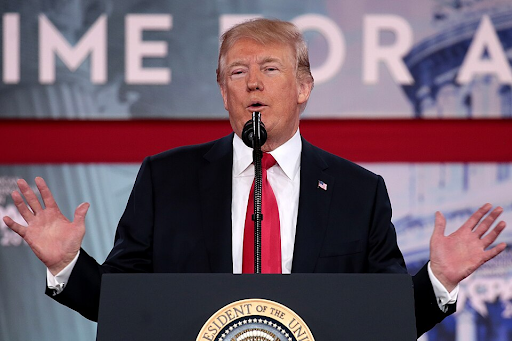
Oil prices plummeted on Tuesday after Donald Trump characterized the ongoing US-Israel war on Iran as “very complete.” Despite this assessment, the President issued a stern warning via social media, promising to hit Tehran “twenty times harder” if they interfere with global shipping. This combination of claims regarding military victory and threats of further escalation has left the energy market in a state of cautious recalibration.
The tension in the Middle East has centered on the IRGC’s declaration that it would not allow a single drop of oil to leave the region if Western attacks continue. This blockade of the Strait of Hormuz has created a massive bottleneck for global trade, as nearly a fifth of all seaborne gas and oil typically passes through these waters. The standoff had previously driven Brent crude to a four-year high, sparking fears of a global recession.
To combat the rising costs, the White House has signaled a significant shift in its sanctions policy, particularly regarding Russian energy. This development follows a month where the administration allowed Indian refiners to purchase Russian crude, a move originally intended to pressure Moscow. Now, the priority appears to be increasing the global oil supply at any cost to prevent a domestic fuel crisis.
The humanitarian and logistical effects of the high prices are being felt acutely in Asia and Europe. In the Philippines, officials have been ordered to slash travel and air conditioning use, while Thailand has moved to cap fuel prices at the pump. These emergency protocols demonstrate how quickly regional instability can translate into a daily struggle for citizens thousands of miles away.
The future of the Strait remains the most critical variable for global market stability. While Trump’s rhetoric suggests a winding down of hostilities, the threat of renewed strikes keeps the “war premium” on oil prices active. Investors are now closely monitoring French-led efforts to organize a maritime task force aimed at reopening the vital shipping lanes for international commerce.