
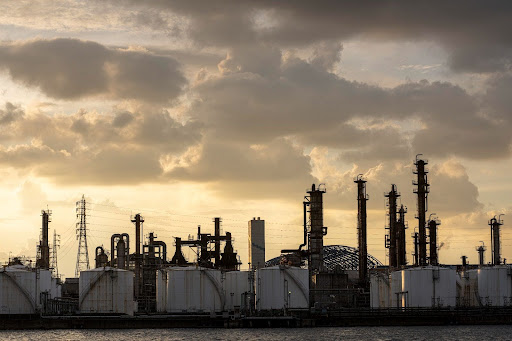
A dark and acrid haze settled over Tehran after Israeli airstrikes ignited multiple fuel storage facilities in and around the Iranian capital, triggering a dramatic surge in global oil prices. The scenes of destruction marked one of the most significant escalations in the ongoing conflict between the two countries.
Four employees of Iran’s national oil distribution company were killed in the attacks. Explosions also struck the city of Karaj, near Tehran, sending shockwaves across the region and amplifying concerns that the conflict was spiraling toward an all-out regional war with severe implications for global markets.
Iran’s Revolutionary Guards responded with a stark ultimatum, warning that continued strikes on energy infrastructure would provoke retaliatory attacks across the Gulf. The warning was not merely rhetorical — within hours, Saudi Arabia, the UAE, Bahrain, Qatar, and Kuwait all reported incoming drones and missiles.
Political developments within Iran compounded the tension. The country’s Assembly of Experts selected Mojtaba Khamenei, son of the late supreme leader, as his father’s successor — the first dynastic transfer of power since the 1979 revolution. The appointment drew swift international criticism and raised fears of further entrenchment of hardline governance.
The United States attempted to steady markets by announcing it would not target Iranian oil infrastructure, with the energy secretary predicting only short-term supply disruptions. However, with Iran producing about four percent of global oil, much of it heading to China, the long-term outlook remained deeply uncertain.