
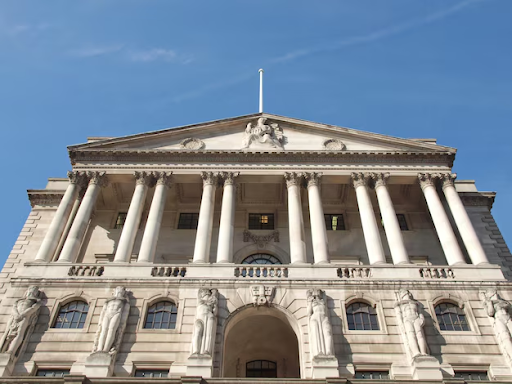
The Bank of England has kept interest rates unchanged at 3.75% following a closely contested vote that revealed deep divisions among policymakers about the appropriate timing for further cuts. The decision suggests that while a pause was deemed necessary now, additional easing is highly likely in the near future.
A 5-4 split in the monetary policy committee’s vote indicated that nearly half of policymakers believed conditions already warranted an immediate rate reduction. Those voting for a cut included senior Bank officials Dave Ramsden and Sarah Breeden, along with external economists Alan Taylor and Swati Dhingra. This follows a series of six rate cuts implemented since mid-2024, demonstrating a clear trend toward lower borrowing costs.
In his post-decision remarks, Governor Andrew Bailey highlighted the improving inflation picture as a key factor in future policy decisions. He projected that inflation would fall to approximately 2% by spring, which represents a return to the target level after years of elevated prices. Bailey suggested that maintaining inflation at this level is crucial, but also indicated that successful stabilization should create opportunities for further rate reductions during the year.
The Bank’s latest economic assessment shows weaker growth prospects, with GDP forecast to increase by just 0.9% this year compared to the 1.2% previously expected. This downgrade reflects concerns about the impact of higher business costs, particularly from increased employer national insurance contributions and the rising minimum wage. These factors have contributed to employment stagnation over the past year and are expected to continue weighing on the labor market.
The chancellor’s budget package is playing a pivotal role in the inflation outlook. Measures including utility bill cuts and frozen rail fares, taking effect in April, are expected to significantly reduce consumer price pressures. Consequently, the Bank now forecasts inflation will decline to 2.1% by mid-2026, well below the 3.4% recorded in December. This dramatic improvement should provide much-needed relief to households that have struggled with elevated living costs since the pandemic.