
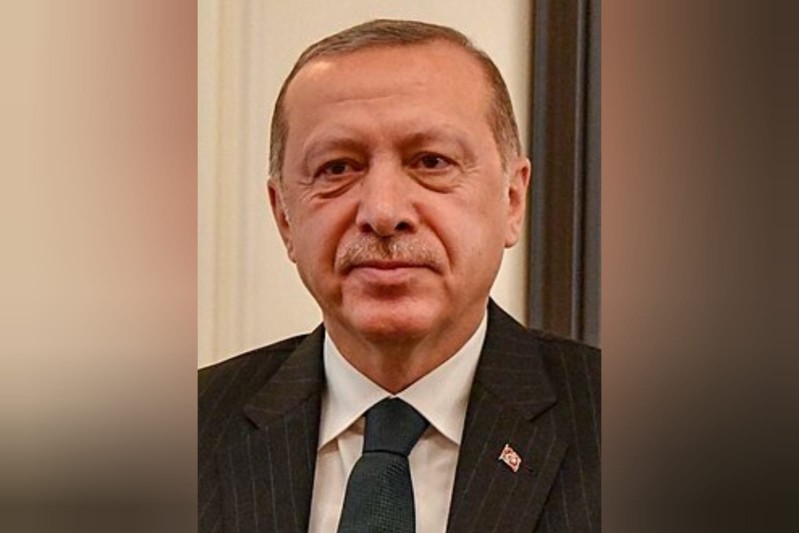
President Recep Tayyip Erdoğan has issued a stark warning about the global repercussions of regional conflicts, underscoring how the ongoing crisis in Iran is impacting economies worldwide. During a news conference in Ankara, Erdoğan highlighted the interconnectedness of today’s global economy, where political and economic disturbances in one region can trigger widespread effects, such as inflation and energy market instability.
Erdoğan illustrated this phenomenon by noting the far-reaching consequences of the attacks on Iran on February 28, which have created a complex crisis affecting global stability. He pointed to the volatility in fuel prices, rising inflation, and persistent supply chain bottlenecks, particularly in the Strait of Hormuz, as indicators of an increasingly fragile global landscape.
Criticizing what he described as a profiteering system dominated by speculative market manipulation, Erdoğan expressed concern over the economic shock waves emanating from the Iran conflict. He described a scenario where a select few capitalists benefit at the expense of billions across continents, from Africa to Asia and the Americas, as middle- and lower-income families grapple with diminishing purchasing power and escalating living costs.
Erdoğan emphasized that every conflict, including the Iran war, creates both winners and losers, but he noted that the current situation has reached unprecedented levels of economic destruction. He also addressed the situation in Türkiye, criticizing unwarranted price hikes in domestic markets despite the country’s low input costs, particularly in energy. He assured that authorities would continue to monitor and counteract opportunistic pricing practices, urging businesses to maintain market stability.
In addition to economic concerns, Erdoğan condemned Israel’s actions against the Global Sumud Flotilla, labeling them as “piracy” and “banditry.” He stressed that such attacks would not deter the international community’s commitment to justice and solidarity with the Palestinian people, reaffirming support for the “voyagers of hope” aboard the aid flotilla, which included citizens from 40 nations.