
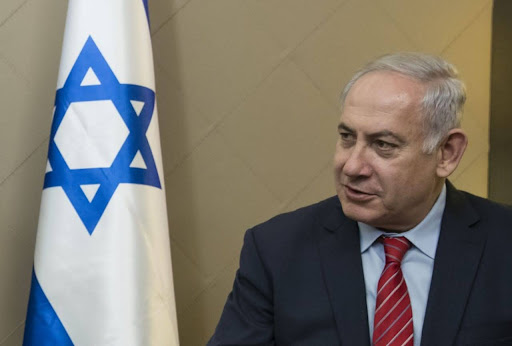
Israeli Prime Minister Benjamin Netanyahu took stock of the conflict’s progress on Friday with a comprehensive and confident assessment, declaring that Iran was losing on every front — militarily, politically, and strategically — after twenty days of fighting. He announced Iran had lost all uranium enrichment and ballistic missile capabilities and said the war was approaching its climax faster than most people anticipated. Netanyahu rejected claims about Israeli manipulation of American foreign policy.
The prime minister addressed the Trump-Israel dynamic with directness and pride. He called their coordination historically unmatched and framed Trump as the alliance’s leader. Netanyahu revealed that Trump had brought an independently formed and sophisticated understanding of Iran’s nuclear threat to their discussions, to the point of briefing Netanyahu on certain dimensions of the danger. This, Netanyahu said, was evidence of the quality and depth of their partnership.
Netanyahu confirmed Israel’s solo strike on the South Pars gas complex and acknowledged Trump’s request to pause further attacks on Iranian gas infrastructure. He treated both facts with transparency, framing them as healthy features of a close and functioning alliance. Netanyahu maintained that Israel’s right to independent military decision-making remained non-negotiable.
On the Strait of Hormuz, Netanyahu called Iran’s closure threats blackmail and said they would fail. He proposed pipeline corridors from the Arabian Peninsula to Israeli and Mediterranean ports as a permanent structural alternative. Netanyahu argued this would create lasting resilience against Iranian maritime pressure and transform the region’s energy architecture.
Netanyahu closed with commentary on Iran’s leadership breakdown. He noted Mojtaba had not appeared publicly and admitted he was genuinely unsure who was running the country. Netanyahu pointed to fierce internal competition for power in Tehran and concluded that this political chaos, combined with military losses, was driving the war toward a faster-than-expected end.