
The future of Affordable Care Act (ACA) subsidies has become the central battleground in the ongoing US government shutdown, a conflict that saw no progress on Wednesday as senators rejected rival funding plans. Democrats have made the extension of these healthcare tax credits a precondition for reopening the government, while Republicans are insisting the two issues be handled separately, creating an intractable stalemate.
This high-stakes standoff has forced a partial closure of federal operations, affecting everything from national parks to airport staffing. As the shutdown persists, the impact on public services and the lives of federal workers grows more severe. The looming threat of a missed paycheck for military and other essential personnel adds a new layer of urgency to the crisis.
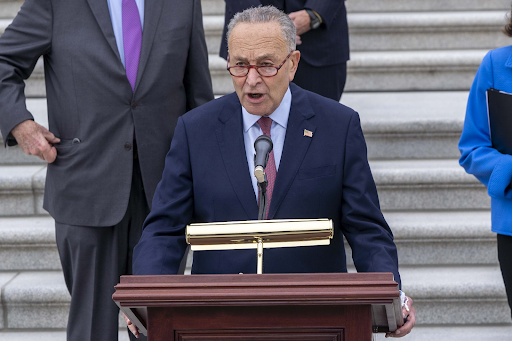
Democrats argue that the expiring ACA tax credits represent a ticking time bomb for the healthcare costs of 20 million Americans. Senate Majority Leader Chuck Schumer has accused Republicans of manufacturing an “either-or” crisis, insisting that Congress is capable of both funding the government and securing healthcare affordability at the same time.
The Republican counter-proposal is a short-term funding patch to keep the government open until November 21, deferring the ACA debate. Speaker Mike Johnson has aggressively promoted this plan, even accusing Schumer of being politically motivated by fear of his party’s “far left.” This claim highlights the increasingly personal and ideological nature of the dispute.
A few lawmakers have sought a path to compromise. Representative Marjorie Taylor Greene, a Republican, has urged negotiations, and fellow Republican Jen Kiggans introduced a bill for a one-year extension of the credits. However, this olive branch was rejected by House Democratic leaders, demonstrating that the chasm between the two parties on this core issue remains too wide to bridge for now.