
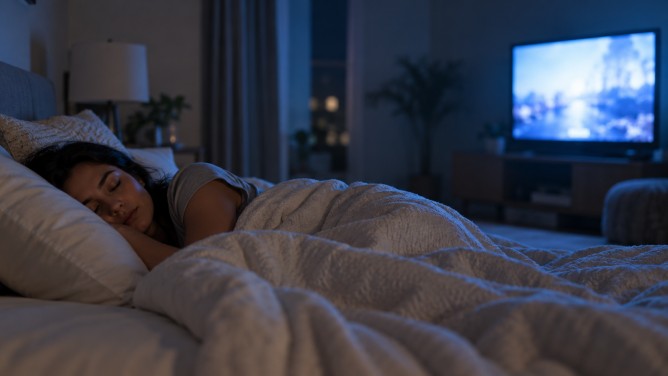
Falling asleep with the television on might seem innocuous, but recent research suggests that nighttime exposure to artificial light could impact heart health. A study involving over 11,000 adults found that individuals exposed to higher levels of light at night experienced notable changes in heart structure and function. These changes include greater left ventricular mass and thicker heart walls, which are consistent with concentric cardiac remodeling, a condition with potential clinical significance.
The body’s circadian rhythm, which regulates sleep and hormone release, relies on darkness to signal rest. Exposure to light during the night can disrupt this natural process, potentially affecting sleep quality and heart health. The study also revealed that shorter sleep duration accounted for part of the association between nighttime light exposure and cardiac changes, indicating that disrupted sleep might be a contributing factor.
This research examined light exposure from multiple sources, including televisions, bedroom lamps, and outdoor streetlights, highlighting the importance of maintaining a dark sleeping environment. While the study does not establish a direct causal link between nighttime light and heart disease, it underscores the potential impact of artificial light exposure on heart structure.
To foster better sleep and potentially mitigate these effects, individuals can adopt several simple habits. Using a TV sleep timer, turning off unnecessary lights, blocking outdoor light with curtains or blinds, and reducing screen time before bed are practical steps toward creating a sleep-friendly environment. Maintaining a consistent sleep schedule can also support the body’s natural sleep-wake rhythm.
Overall, while occasionally falling asleep with the TV on is unlikely to pose immediate risks, habitual exposure to nighttime light may interfere with sleep quality and correlate with cardiac changes. Individuals concerned about heart health should discuss their risk factors with healthcare professionals rather than relying solely on sleep environment adjustments. Keeping the bedroom dark and fostering a consistent sleep routine can be beneficial parts of an overall healthy lifestyle.