
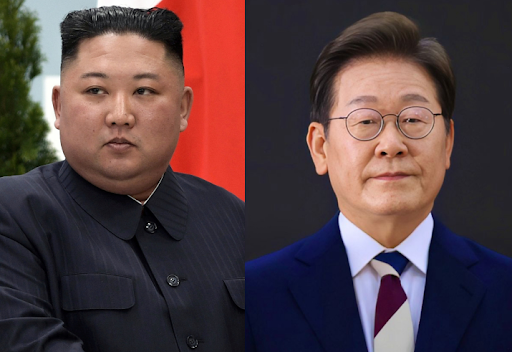
A schizophrenic security dynamic has emerged on the Korean Peninsula, characterized by simultaneous offers of peace and preparations for advanced warfare. On Tuesday, North Korea vehemently denounced a newly minted agreement between South Korea and the U.S. to build nuclear-powered submarines. State media labeled the deal a trigger for a “nuclear domino” effect, warning that it serves as a “dangerous attempt at confrontation.” This condemnation highlights the deep chasm between how the two Koreas view security.
The target of North Korea’s ire is a deal announced last week by President Lee Jae Myung. The agreement secures U.S. support for South Korea to expand its uranium enrichment capabilities and reprocess spent fuel—steps necessary for atomic propulsion. For Seoul, this is a strategic necessity to counter existing threats. For Pyongyang, however, it is an act of aggression that justifies a “hot arms race” and necessitates a bolstering of their own nuclear arsenal.
The timing of this verbal assault is particularly sensitive. It arrived just 24 hours after South Korea proposed holding military talks with the North to prevent border skirmishes. This proposal, the first of its kind in seven years, was intended to be a circuit breaker for rising tensions. President Lee has actively pivoted away from the hawkish policies of the past, offering unconditional discussions to bring the North back to the negotiating table.
Yet, the North’s reaction suggests that military hardware speaks louder than diplomatic gestures. The “nuclear domino” commentary indicates that Pyongyang views the submarine deal as the “real” policy of the South, dismissing the offer for talks as secondary or perhaps even disingenuous. By predicting a regional arms race, North Korea is signaling that it intends to compete militarily rather than cooperate diplomatically in the face of what it sees as a growing threat.
Currently, the proposal for talks hangs in limbo. North Korea has yet to issue a formal response to the invitation, leaving Seoul and Washington guessing about the next move. The dual narrative of seeking peace while arming for war has created a complex puzzle, one where the pieces—nuclear submarines and military talks—do not seem to fit together in the eyes of the North.